
Maintaining Oral Hygiene at Home

Taking care of your teeth at home takes daily work. You can’t just go to your routine cleanings every six months and expect to have a healthy smile. Going to the dentist is essential but taking care of your teeth at home is a critical component of optimal oral health.
Brushing your teeth is great for removing food particles and keeping your breath fresh. If you don’t brush and floss daily the bacteria can build up and create plaque and tartar that will cause cavities and gum disease. If you are experiencing sore gums or pain when chewing, you should see your dentist as soon as possible. You want to make sure that you are on top of the situation before it becomes more complex and more expensive.
Obtain Healthy Teeth Through a Healthy Diet
Consuming nutritious and vitamin-rich foods supports general health and oral health. Antioxidants found in fruits and vegetables fight off bacteria and promote healthy gum tissue. Their mild acidity keeps harmful bacteria at bay, and their fibers have a minor brushing effect. Drinking plenty of water keeps teeth and gums healthy and strong, for hydrated tissues impede harmful bacteria. You can also use water to rinse off teeth after eating snacks, highly acidic beverages, or sugary substances to ward off decay. Water restores the balance of acidity in the smile, improving the smell of your breath and washing away minor stains.
Children may need guidance when snacking, as many of the most popular snack items are harmful to their teeth. Be sure to have them drink plenty of water after drinking juice or eating a snack to prevent tooth decay. Some foods are worse for teeth than others, including pretzels, crackers, and potato chips.
Adults can help maintain a healthy smile by reducing alcohol and tobacco consumption. Tobacco products encourage harmful bacteria to spread and increases the risk of developing oral cancer. Alcohol dries out teeth and gums, which makes them more prone to infection. Additional food items that impact oral health are sugary coffee and sports drinks, which can also cause staining.
Regular Dental Visits
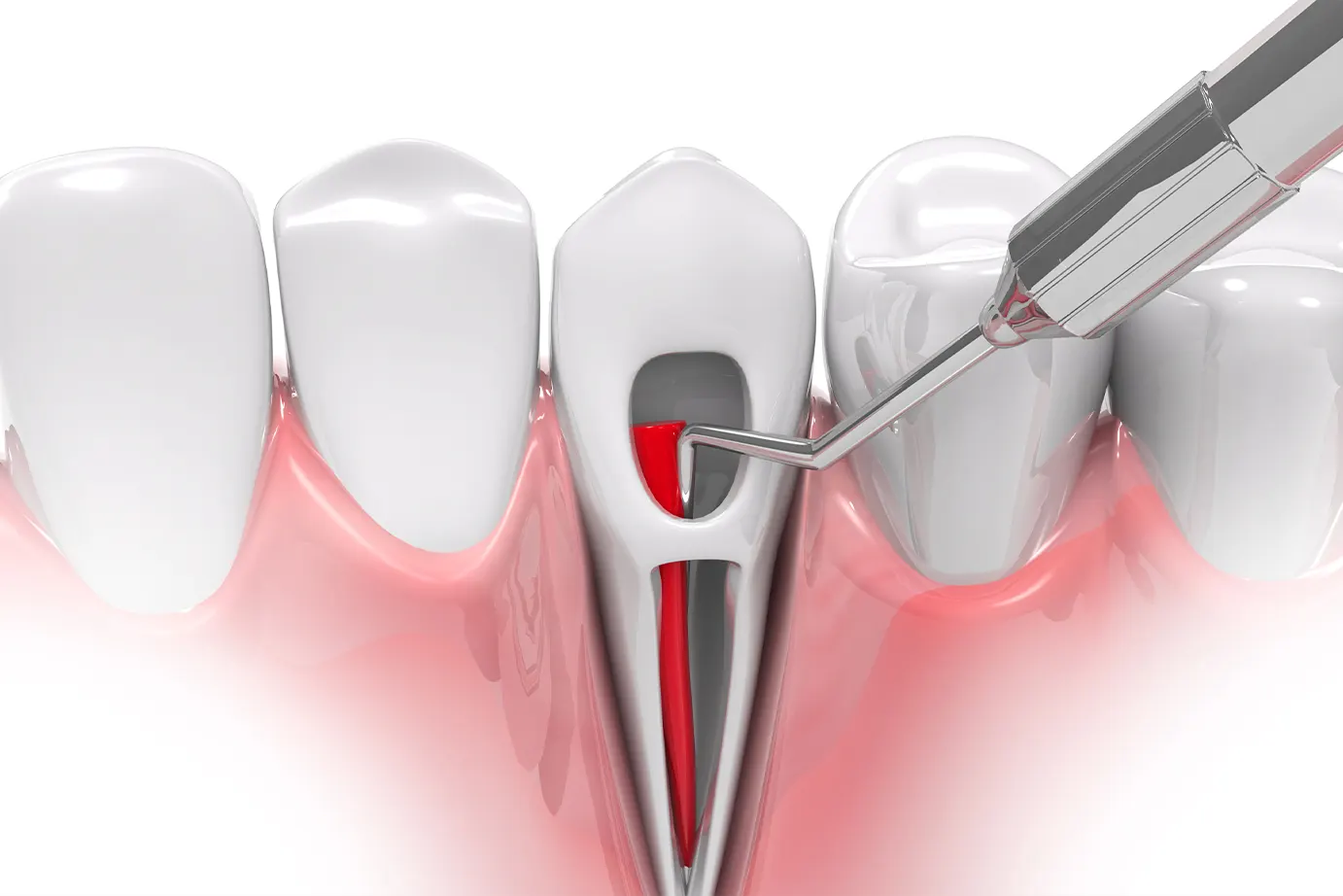
Visiting your dentist every six months as recommended will ensure that your at-home hygiene care is doing its job. In truth, dentists should only be making sure your teeth are healthy and providing minimal services, but this depends on the consistency of at-home care. Additionally, regular appointments allow your dentist to catch developing dental issues before they can impact oral health. Dental cleanings and exams protect teeth from harmful bacteria and guard your smile from extensive treatments such as teeth extractions or root canal therapy.
How to Tell If You Have Gum Disease
Gum disease occurs in the mouth when someone has poor oral hygiene habits. Sometimes, gum disease can make the gums so weak that they cannot hold the teeth in place. If gum disease is not tended to immediately, it could lead to severe pain or tooth loss. Symptoms of gum disease include:
- Red or swollen gums
- Bleeding while brushing or flossing
- Chronic gum pain
- Receding gums
- Abscess or other infection
Taking Care Of Your Teeth At Home
Brushing and flossing every day at least twice can dramatically reduce your chance of gum disease and help prevent cavities. Mouthwash can help eliminate microscopic germs and keep your breath fresh. Make sure to eat right and drink plenty of water, especially after a meal. This helps remove food particles that can become lodged in between teeth and along the gum-line.
If you have any concerns about your oral health, speak to a professional right away. With the help of an experienced dentist, you can refine your home routine and maintain a healthy, beautiful smile.
Share this post

It starts with listening and ends with a smile you love
Let's get you scheduled.
Serving Boston, Wellesley, Needham, Waltham, Brookline, Waban, Dedham, and beyond!